

How to Choose LNG Gas Cylinder for Vehicle? Key Parameters and Safety Standards Explained
Release time: 2026-01-14
With the rapid growth of LNG-powered trucks and clean energy vehicles, the LNG gas cylinder for vehicle has become a core component in modern fuel systems. However, many fleet operators, distributors, and OEM buyers still ask the same question: How do you choose the right vehicle LNG fuel tank for safety, performance, and long-term reliability?
This guide explains everything you need to know about how to choose LNG cylinders, including key technical parameters, safety certifications, insulation performance, and real-world application scenarios.
Table of Contents
What Is a Vehicle LNG Gas Cylinder?
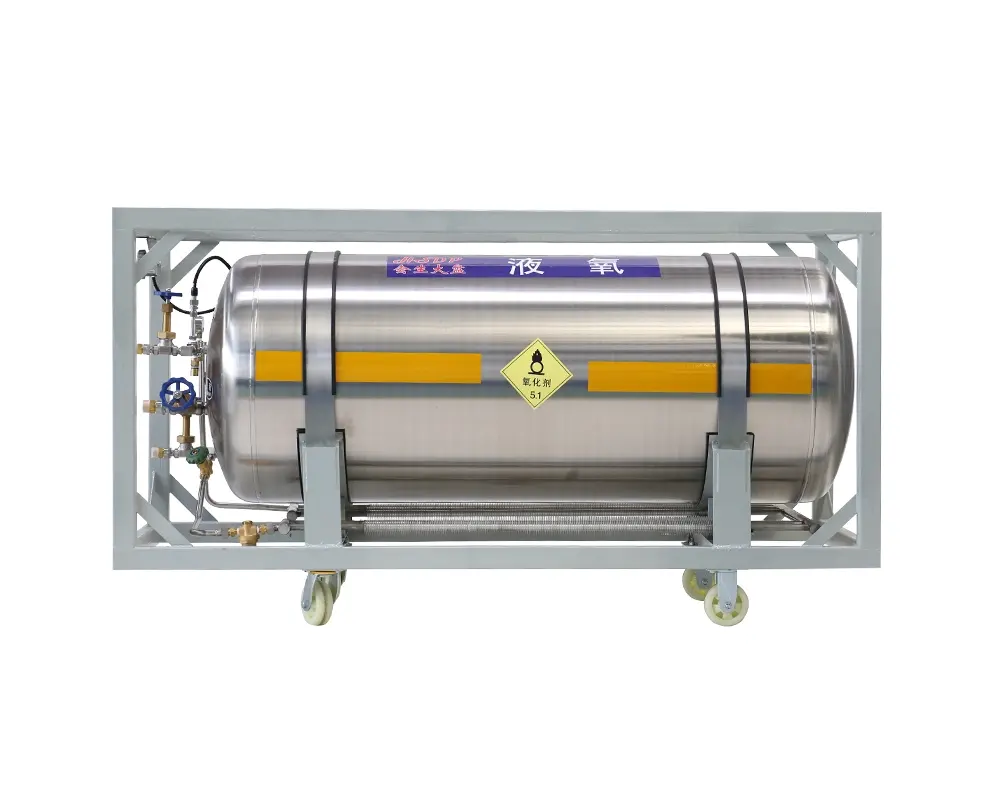
A vehicle LNG gas cylinder is a cryogenic pressure vessel designed to store liquefied natural gas at approximately –162°C. It features a double-wall vacuum-insulated structure to maintain ultra-low temperatures and stable pressure.
These cylinders are widely used in:
- LNG heavy-duty trucks
- LNG buses and coaches
- LNG engineering vehicles
- LNG logistics and port vehicles
Compared with CNG systems, vehicle LNG fuel tanks provide longer driving range, higher energy density, and better fuel economy, making them ideal for long-haul transportation.
Key Parameters to Consider When Choosing an LNG Gas Cylinder for Vehicle
Understanding technical specifications is essential when selecting a cryogenic LNG storage tank for vehicles.
1. Water Capacity (Tank Volume)
Common sizes include:
- 300L
- 450L
- 500L
- 560L
- 800L and above
Selection tips:
- Long-distance trucks → Large-capacity LNG truck cylinders
- Urban logistics vehicles → Medium-capacity vehicle LNG tanks
Choosing the right size improves operational efficiency and reduces refueling frequency.
2. Working Pressure and Design Pressure
High-quality vehicle LNG cylinders typically feature:
- Working pressure: 1.6–2.0 MPa
- Design pressure: ≥ 2.5 MPa
Higher design margins ensure long-term stability and improve LNG truck cylinder safety, especially in harsh operating environments.
3. Daily Evaporation Rate (Boil-Off Rate)
Premium LNG fuel tanks for vehicles usually offer:
- Daily evaporation rate ≤ 1.2%
Lower evaporation rates mean:
✔ Reduced fuel loss
✔ Longer storage time
✔ Improved cost efficiency
This indicator is critical when evaluating LNG cylinder thermal insulation performance.
4. Materials and Insulation Structure
Reliable vehicle LNG gas cylinders are typically built with:
- Inner vessel: Austenitic stainless steel
- Outer shell: Carbon steel or stainless steel
- Insulation layer: High-vacuum multilayer insulation
This structure significantly enhances cryogenic LNG storage tank durability and long-term vacuum stability.
Safety Certifications and Standards for LNG Vehicle Cylinders
Before purchasing, verify that the LNG gas cylinder for vehicle complies with recognized international and regional standards:
| Market | Required Standards |
|---|---|
| China | GB/T 18443, TSG |
| Europe | EN 13530, ECE R110 |
| Global Export | ISO 11439, ASME |
Certified vehicle LNG fuel tanks ensure regulatory compliance, simplify fleet approvals, and improve resale value.
How to Evaluate LNG Gas Cylinder Safety Performance
When comparing suppliers, assess whether the LNG truck fuel tank system includes:
✔ Multiple safety protection devices:
- Pressure relief valves
- Burst disks
- Overpressure protection systems
- Liquid level and pressure sensors
✔ Complete type testing:
- Drop impact tests
- Burst pressure tests
- Fatigue cycle testing
- Vacuum holding performance tests
✔ Ease of inspection and maintenance:
- Accessible valve modules
- Online monitoring interfaces
- Clear traceability markings
These features directly impact LNG vehicle fuel system reliability and long-term operational safety.
Best LNG Cylinder Selection Tips by Application
| Vehicle Type | Recommended LNG Cylinder |
|---|---|
| Long-haul LNG trucks | Large-capacity dual LNG tanks |
| Engineering vehicles | High-pressure reinforced LNG cylinders |
| Urban logistics trucks | Lightweight vehicle LNG fuel tanks |
| Retrofit projects | Custom-mount LNG gas cylinders |
Fleet operators and OEM buyers should prioritize LNG cylinder manufacturers that offer:
✔ OEM/ODM customization
✔ Full test documentation
✔ International certification support
✔ Long-term technical service
Frequently Asked Questions (FAQ)
Q1: Which is better for trucks, LNG or CNG cylinders?
LNG gas cylinders for vehicles are better suited for long-haul transport due to higher energy density and longer driving range.
Q2: How often should LNG vehicle cylinders be inspected?
Most regulations require inspection every 3–5 years, depending on local compliance standards.
Q3: What is the service life of an LNG fuel tank?
High-quality vehicle LNG fuel tanks typically have a design life of 15–20 years.
Conclusion
Choosing the right LNG gas cylinder for vehicle is essential for safety, fuel efficiency, and long-term operating performance. By evaluating tank capacity, pressure ratings, insulation efficiency, safety certifications, and system design, you can confidently select the most suitable LNG truck fuel tank solution for your fleet or customers.
For OEM projects, fleet upgrades, or international distribution, partnering with a certified LNG cylinder manufacturer ensures compliance, reliability, and long-term value.