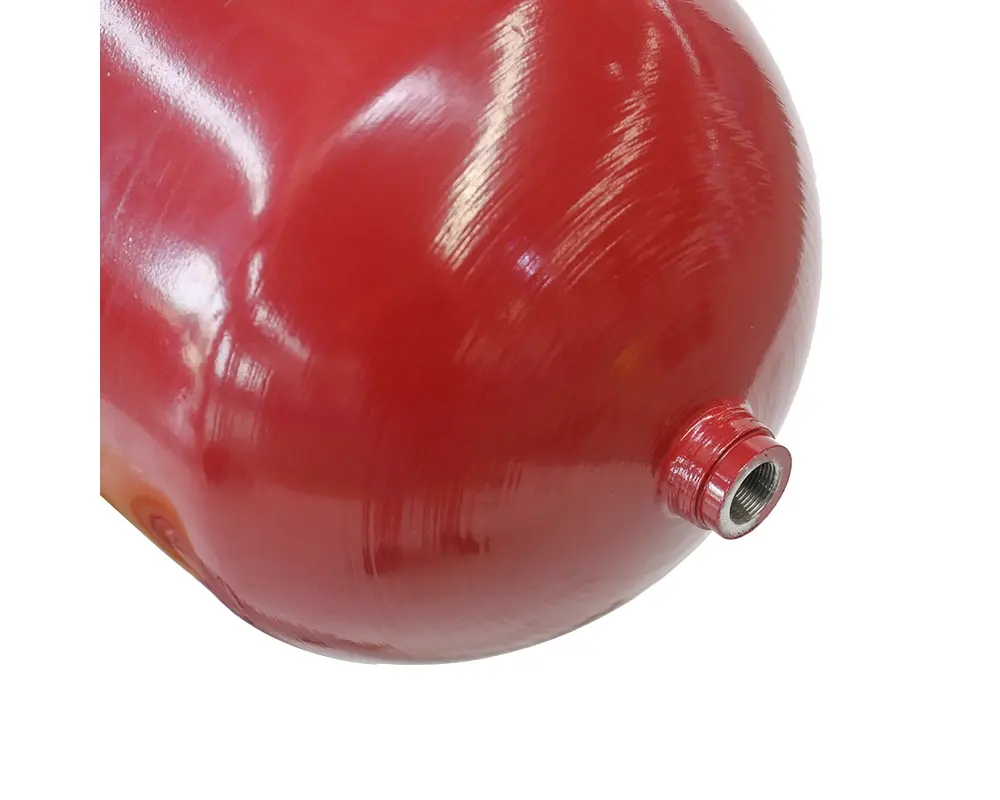


What are some special precautions for CNG cylinder maintenance when using a vehicle in winter?
Release time: 2025-11-28
As temperatures gradually drop, the operating environment for CNG vehicles becomes more challenging in winter. Low temperatures not only affect overall vehicle performance but also pose specific risks to the safety and efficiency of CNG cylinders and related systems. As a professional CNG equipment supplier, we have compiled this winter maintenance guide to help you and your fleet navigate the season safely and efficiently.

Main Impacts of Winter Low Temperatures on CNG Systems
- Pressure Changes: According to the gas law (PV=nRT), for every 10°C drop in temperature, the pressure inside the cylinder decreases by approximately 1-1.5 MPa, which may result in incomplete refueling and reduced range.
- Material Embrittlement: Extreme cold can reduce the toughness of some sealing materials and metal components.
- Risk of Moisture Freezing: Residual moisture in the system may freeze in valves or narrow sections of piping.
- Refueling Difficulties: Refueling slows down in low temperatures, and refueling station equipment may also operate less efficiently.
Key Maintenance Points: The Cylinder Itself
1. Keeping the Cylinder “Warm”
- Parking Choices: Whenever possible, park in underground garages, indoors, or in sheltered, sunny spots. Avoid prolonged parking in extremely cold environments.
- Simple Insulation: Consider using professional CNG vehicles cylinder insulation covers, but pay special attention:
- Do not cover safety pressure relief devices and valve areas.
- Insulation materials must be flame-retardant and heat-resistant.
- Regularly check if the insulation layer is dry to prevent moisture from accelerating corrosion.
2. New Normal for Pressure Monitoring
- During the first startup in the morning, pay attention to the cylinder pressure displayed on the dashboard.
- Understand the normal pressure range in winter to avoid misinterpreting slight pressure drops as leaks.
- If pressure drops abnormally and sharply (e.g., by more than 2 MPa overnight), investigate immediately.
Special Checks for Key Components
1. Valve and Piping System
- Operate Slowly: Before opening the cylinder valve for the first time in winter, gently tap the valve body, then open it slowly to prevent damage to seals due to embrittlement.
- Piping Inspection: Focus on high-pressure pipe connections, as low temperatures may cause seals to shrink, leading to minor leaks.
- Drainage and Freeze Prevention: Periodically open the drain valve at the low-pressure end of the piping in a safe location (away from open flames and well-ventilated) to drain any possible condensate.
2. Safety Device Verification
- Safety Valve: Ensure the pressure relief channel is free of ice blockages and uncovered.
- Fusible Plug: Check its external condition to ensure no corrosion or paint coverage.
Special Winter Refueling Tips
- Refuel “While Hot”: Refueling when the cylinder is warmer after vehicle operation is more efficient and allows for a fuller fill.
- Choosing a Refueling Station: Prefer indoor or insulated refueling stations.
- Post-Refueling Check: After refueling, check the refueling port for frost or moisture buildup. This is normal if the seal is good, but ensure it is dry before leaving.
Startup and Driving Recommendations
- Pre-Cold Startup: In extremely cold regions (below -20°C), you may start the engine in gasoline mode for 3-5 minutes, allowing coolant temperature to rise before switching to CNG mode.
- Smooth Transition: Ensure the engine runs smoothly when switching fuel modes.
- Range Prediction: Actual winter range may be 15%-20% less than in summer. Plan routes and refueling stops in advance.
Handling Emergency Situations
If any of the following situations occur, stop driving immediately and contact a professional:
- Smelling a strong gas odor (odorant smell).
- Hearing a noticeable gas leakage sound.
- Abnormal, rapid drop in cylinder pressure gauge reading.
- Severe engine shuddering due to unstable gas supply.
Temporary Measures:
- Immediately close the cylinder valve.
- Open windows for ventilation.
- Park in a safe location and set up warning signs.
- Stay away from ignition sources and avoid operating electrical switches.
Pre-Winter Professional Inspection Checklist
We recommend a professional inspection for all CNG vehicles before winter, including:
- Cylinder exterior inspection (corrosion, scratches, deformation).
- Leak test for valves and piping.
- Verification of safety pressure relief device functionality.
- Replacement of gas filters (to prevent moisture freezing and clogging).
- System drainage procedure.
Winter is not a “dormant period” for CNG vehicles but a “litmus test” for equipment quality and maintenance standards. Proper winter maintenance not only ensures safety but also effectively preserves vehicle economy and reliability.
As your trusted CNG equipment partner, we offer professional winter inspection services and genuine parts. If you have any questions about winter maintenance for CNG systems or need to schedule a professional inspection, please feel free to contact our technical team.